UK Gambling Commission Suspends BresBet and Bet St George Operating Licences
Otto Zimmermann · Sep 2, 2026

UK Gambling Commission Suspends BresBet and Bet St George Operating Licences
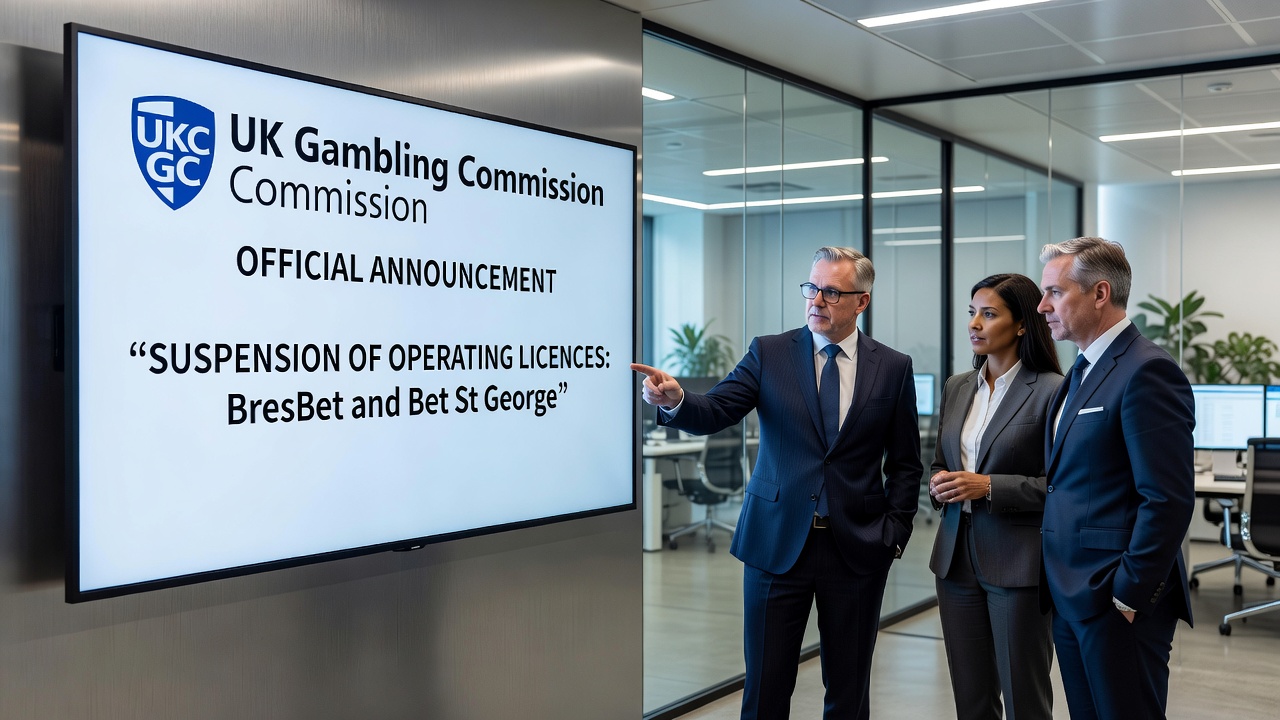
The UK Gambling Commission suspended the operating licences of BresBet and Bet St George between August 31 and September 1 2026 after identifying shortfalls in the operators' compliance with social responsibility requirements and anti-money laundering protocols. These suspensions remain in force while a formal review proceeds under Section 116 of the Gambling Act 2005. Customers of both operators continue to have access to withdrawal functions during this period. Observers note that the Commission took these steps as part of its ongoing monitoring of licensed operators and their adherence to the full set of licence conditions. The regulatory body requires all holders to maintain effective controls that protect customers and prevent financial crime, and the suspensions reflect a determination that BresBet and Bet St George had not satisfied those standards at the time of inspection.Timeline and Scope of the Suspensions
The suspensions occurred across two consecutive days, with BresBet's licence action recorded on August 31 2026 and Bet St George's on September 1 2026. Both operators now operate under restricted conditions while the Commission completes its review process. The statutory framework set out in Section 116 allows the regulator to examine whether an operator remains fit to hold a licence and to impose appropriate measures where necessary. During the suspension period the operators may not accept new bets or deposits, yet existing customer funds stay accessible for withdrawal requests.
Those who have followed similar regulatory actions in previous years point out that the Commission publishes details of such interventions on its public register once decisions are confirmed. The current cases follow the same pattern of transparency, giving the public and industry participants clear information about which licences are under active review and what restrictions apply.
Regulatory Standards Involved
Social responsibility obligations cover a range of customer protection measures, including age verification, self-exclusion tools, and responsible gambling messaging. Anti-money laundering protocols require operators to conduct customer due diligence, monitor transaction patterns, and report suspicious activity. When the Commission finds gaps in either area it can initiate enforcement steps that range from warnings through to licence suspension or revocation. In the present instances the regulator determined that immediate suspension was warranted while further examination takes place.
Section 116 reviews typically involve detailed examination of an operator's policies, staff training records, and transaction monitoring systems. The process gives the licence holder an opportunity to present evidence and to outline remedial steps already taken or planned. Outcomes can include restoration of the licence with additional conditions, continued suspension pending further improvements, or in more serious cases escalation toward revocation. The Commission has applied this same structured approach across multiple recent cases, ensuring consistency in how it addresses compliance shortfalls.
Context Within Recent Industry Settlements
This pair of suspensions takes place against a backdrop of other enforcement outcomes recorded in teh same period. Separate operators have reached settlements that include payments of £609,104 by QuinnBet, £4.75 million by Evolution, £900,000 by Betfred, and £122,835 by Stakelogic. Each of these matters involved different fact patterns yet shared the common theme of regulatory scrutiny over social responsibility or financial crime controls. The Commission records all such outcomes on its public register, allowing industry participants to track patterns in enforcement activity.
Those who monitor the sector note that the regulator continues to apply both financial penalties and licence restrictions depending on the severity and nature of the issues identified. Suspensions represent one tool within a broader enforcement framework that also includes fines, licence conditions, and in some instances voluntary settlements. The current actions against BresBet and Bet St George illustrate the Commission's willingness to use the full range of available measures when operators fall short of required standards.
Customer Impact and Operational Continuity
Throughout the suspension period customers retain the ability to withdraw any funds held in their accounts. The Commission has stated that protecting customer funds remains a priority, and operators under suspension must still honour withdrawal requests in line with their licence conditions. This approach ensures that individuals who placed bets or deposited funds before the suspension took effect are not left without access to their balances.
Industry observers have seen similar provisions applied in earlier cases where licences were suspended rather than revoked outright. The distinction allows the Commission to address compliance concerns while minimising direct disruption to existing customer positions. Operators in this situation must continue to cooperate fully with the review process and demonstrate that they have addressed the identified shortcomings before any decision on licence restoration can be reached.
Conclusion
The licence suspensions for BresBet and Bet St George represent the latest step in the UK Gambling Commission's active enforcement programme. By initiating reviews under Section 116 of the Gambling Act 2005 the regulator signals that it expects all operators to maintain robust controls in both social responsibility and anti-money laundering areas. The actions occurred on consecutive days at the end of August and beginning of September 2026, and the cases remain open pending completion of the formal review process. Customers continue to enjoy withdrawal rights, while the operators work to satisfy the conditions necessary for any future restoration of their licences. The surrounding context of other recent settlements underscores the Commission's consistent application of its regulatory powers across the sector.